Skip to content

Nationwide shipping* from our DFW warehouse — open to the public M–F 9–5 · free local pickup in Texas · 888-417-5306

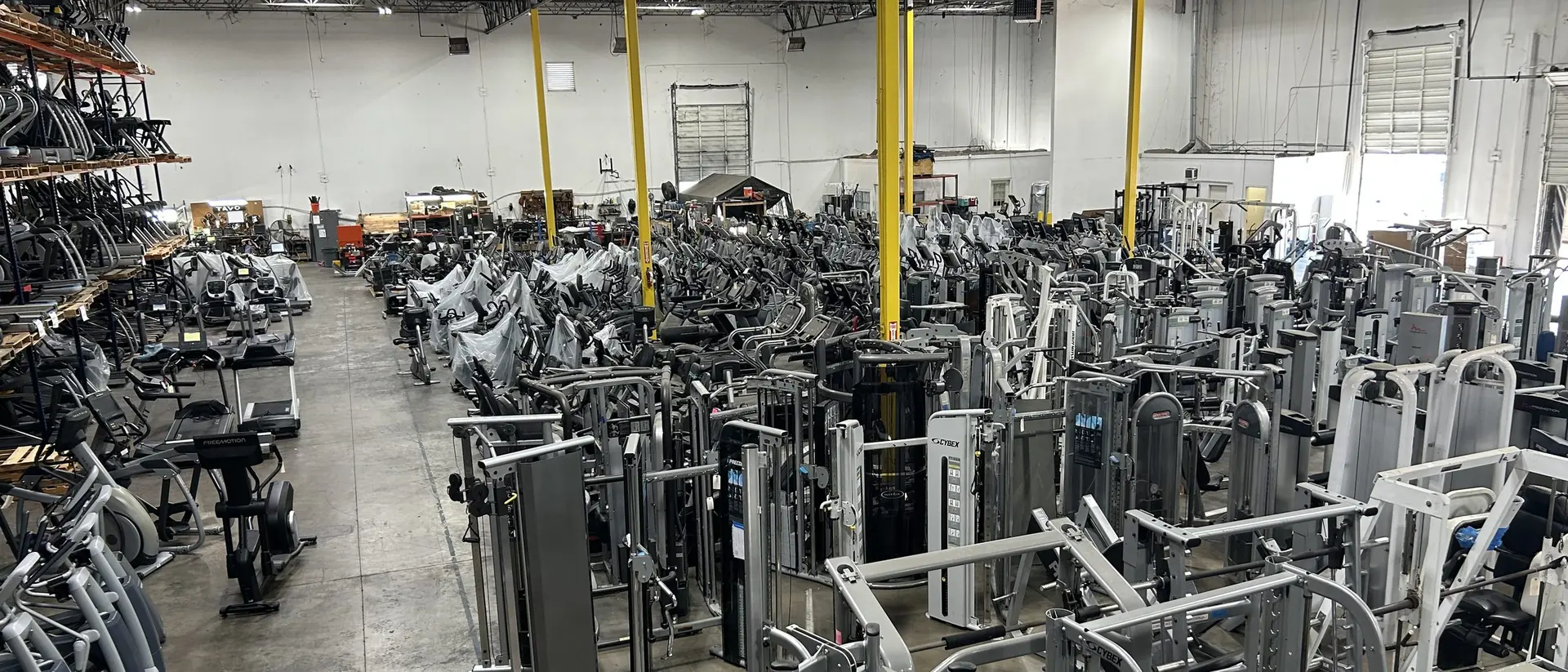
Rows of pre-owned commercial fitness equipment in the DOF warehouse

Selling & Trading

Selling Used Gym Equipment: Outright Sale, Consignment, or Trade-In?

Three real ways to turn a floor of equipment back into money, and who each one fits

There are 3 real routes: an outright sale, where a dealer pays cash now and takes the equipment away; consignment, where the dealer sells it for you and you are paid from the proceeds; and trade-in credit against replacement equipment you are buying anyway. Outright fits closures and cleanouts that need speed and certainty, consignment fits sellers who can wait for a better net on desirable pieces, and trade-in fits any facility refreshing its floor. DOF does all three.

Every gym refresh and every closure produces the same question from the other side of our business: what is this equipment worth, and what is the cleanest way to get that value out? Here is how the three routes actually compare.

Outright sale: speed and certainty

We buy equipment outright for cash — one visit to assess, one number, and the equipment leaves on our truck. This is the route for closures, lease deadlines, and estate or business wind-downs where an empty room by a date is worth more than the last dollar of value. What sets the number is what always sets it: brand, model, age, condition, and how much demand exists for that piece on the resale floor. Commercial-grade equipment from the major lines holds real value; consumer-grade machines mostly do not, whatever they cost new.

Consignment: a better net, on the equipment's schedule

On consignment, the equipment sells through our floor and channels, and you are paid from the sale. Because we are not pricing in the risk of owning it, the net to you on desirable pieces is typically better than an outright offer — the tradeoff is time, since the equipment sells when a buyer appears. Consignment fits sellers with strong, in-demand pieces and no deadline forcing their hand.

Trade-in: the refresh route

If you are replacing equipment rather than exiting, trade-in credit is usually the cleanest path: the old equipment's value comes off the new order, and extraction happens on the same visit as installation — the floor is never half-empty. Real orders run this way constantly; we have extracted a retiring machine the same day its replacement went in, and trade-ins as simple as a pair of old treadmills crediting against a new order are routine line items.

What we look for when we assess

  • Commercial lines with living parts support. Precor, Life Fitness, Matrix, Cybex, Hammer Strength, StairMaster and their peers — machines our shop can service and stand behind.
  • Honest condition. We service everything we resell, so wear is expected — but frame damage on strength, or dead electronics on discontinued cardio, changes the math.
  • Volume and access. A full floor with a loading dock is a different (and often better) transaction than one machine up three flights. Tell us both up front.

How to start

Send a list — brand, model, quantity, age if you know it — and photos, along with where the equipment is and any deadline you are working against, through the contact page or a quote request. If you are a facility also buying its replacement floor, say so; pricing the two sides together is where the best deals live. Dealers moving volume should start with the dealer program instead — bulk as-is lots run through different pricing entirely.

Frequently asked questions

Do you buy used gym equipment?

Yes — outright for cash, with one visit to assess and equipment leaving on our truck. We also take equipment on consignment and offer trade-in credit against replacement equipment you buy from us.

Is consignment better than selling outright?

It usually nets more on desirable pieces, because the dealer is not pricing in ownership risk — but you are paid when the equipment sells, not up front. Outright sale trades some value for speed and certainty, which closures and deadlines often require.

How does a gym equipment trade-in work?

The old equipment's assessed value credits against your new order, and extraction is scheduled with the installation — old equipment out and new equipment in on the same visit, so the floor is never left half-empty.

What used equipment is worth the most?

Commercial-grade machines from major lines with living parts support — the brands gyms actually run. Condition sets the rest: honest wear is fine since resale equipment gets serviced anyway, but frame damage or dead electronics on discontinued models changes the value sharply.

What information do you need for an offer?

A list with brand, model, and quantity, photos, the equipment's location and access (dock, ground floor, stairs), and any deadline. If you are simultaneously buying replacement equipment, say so — pricing both sides together typically produces the best outcome.

Ready for real options?

Tell us what you're outfitting — we'll answer with in-stock equipment and a real delivered price.