
Skip to content

Nationwide shipping* from our DFW warehouse — open to the public M–F 9–5 · free local pickup in Texas · 888-417-5306

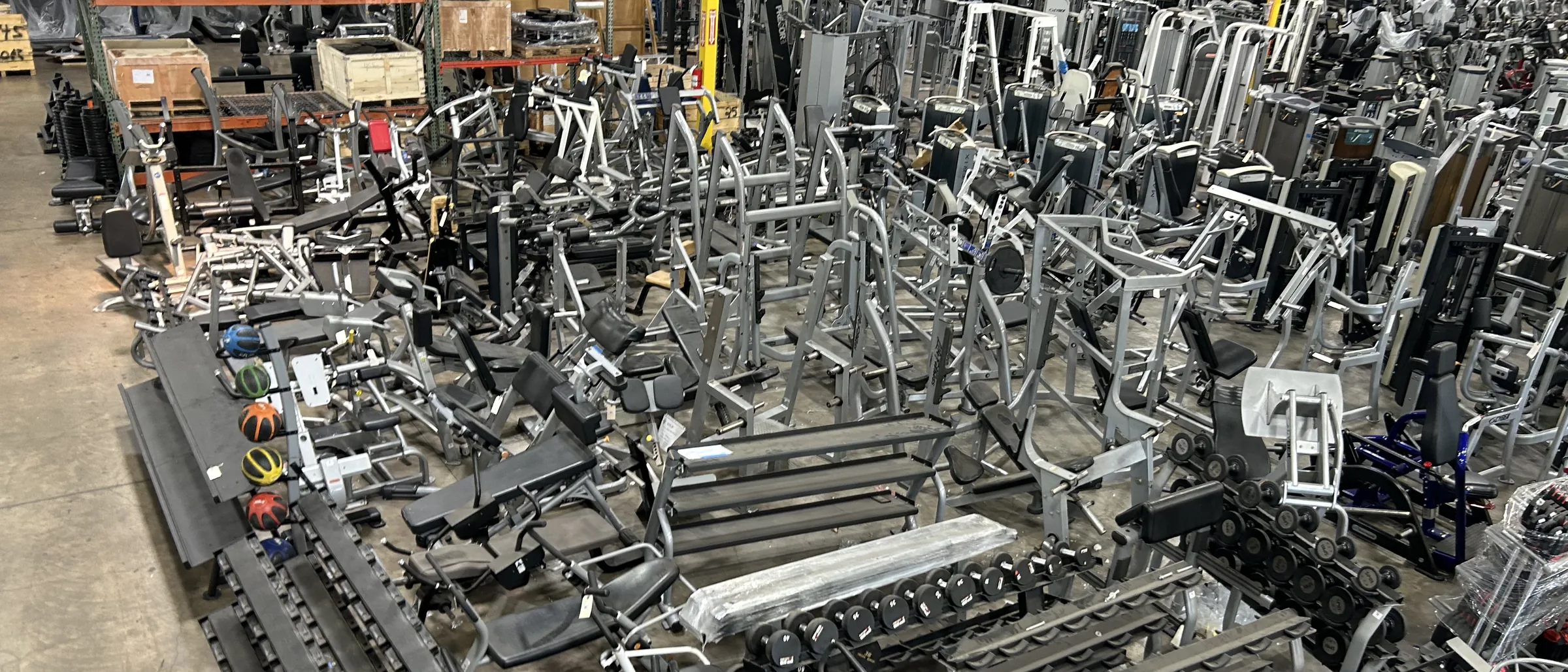
Racked cardio and strength inventory inside the DOF warehouse

Selling & Trading

What Happens to the Equipment When a Gym Closes?

Liquidation from the buying side — what dealers assess, what holds value, and how the clock changes everything

When a gym closes, its equipment usually moves through a dealer, one of two ways: an outright cash buyout — one assessment, one number, and a truck that empties the room by the deadline — or consignment, where desirable pieces sell over time for a better net. The lease clock decides which: a hard move-out date makes the certainty of a buyout worth more than the last dollar of value. What holds value is commercial-grade machines from major lines with living parts support; consumer equipment mostly does not, whatever it cost new. DOF has bought out and consigned closing gyms since 2012.

We are the buyer in this story — closures and floor refreshes are where much of our inventory comes from. Here is how the process actually runs from the side of the table that writes the check.

The clock is the real negotiator

Almost every closure runs against a lease deadline, and the deadline reshapes the deal more than any haggling: an empty room by the last day of the month is worth real money, and a dealer buyout delivers it — one walkthrough or a good equipment list, one number, and extraction on our truck. Sellers with no deadline and desirable pieces have the alternative: consignment, which usually nets more but pays when the equipment sells, not when it leaves.

What the assessment actually weighs

  • The lines. Commercial equipment from the major manufacturers — the brands with parts supply chains behind them — is what a dealer can service and stand behind. That is what our whole condition-tier model depends on.
  • The condition realities. Honest wear is fine — everything we resell goes through the shop anyway. What moves the number sharply: frame damage on strength equipment, dead electronics on discontinued cardio, and the compounding neglect of a floor that skipped maintenance for years.
  • Volume and access. A full matched floor with a loading dock is often worth more per machine than scattered pieces up three flights — extraction cost is part of any offer, whether it is itemized or not.

Where the equipment goes next

A closed gym's floor becomes the next buyer's bargain: the machines come to our Irving warehouse, go through inspection and service, and list as the Cleaned & Serviced and Remanufactured inventory on this site — which is why a used-equipment floor turns over constantly, and why model-specific sourcing requests often get filled by the next liquidation intake.

If you are the one closing

Send the list before the pressure peaks: brand, model, quantity, photos, the access situation, and the real deadline, through the contact page. Earlier is genuinely better — a dealer with three weeks can schedule around your date; a dealer with three days is pricing a fire drill. And if the "closure" is actually a refresh, say so: trade-in credit against the replacement floor usually beats selling and buying separately.

Frequently asked questions

How do gyms sell their equipment when closing?

Usually through a dealer, either as an outright cash buyout — one assessment, one number, extraction included — or on consignment, where desirable pieces sell over time for a better net. A hard lease deadline usually makes the buyout the right call.

What is used gym equipment worth in a liquidation?

It depends on brand, model, age, condition, and access. Commercial machines from major lines with living parts support hold real value; consumer-grade equipment mostly does not. Frame damage and dead electronics on discontinued models reduce value sharply; honest wear does not.

Does the dealer remove the equipment?

Yes — extraction on the dealer's truck is part of a buyout, and the access situation (loading dock versus stairs) is priced into the offer. An empty room by the deadline is a large part of what a closure sale is buying.

When should a closing gym contact a dealer?

As early as possible. A dealer with weeks of notice can schedule around the move-out date; days of notice means pricing a rush. Send brand/model/quantity, photos, access details, and the real deadline together.

What if the gym is refreshing rather than closing?

Say so — trade-in credit against the replacement equipment usually beats selling and buying separately, and extraction of the old floor can happen on the same visit the new equipment installs.

Ready for real options?

Tell us what you're outfitting — we'll answer with in-stock equipment and a real delivered price.